Gear & Equipment
You don't need much — but what you do buy should be the right thing. Running shoes, workout clothes, and home gym gear that's actually worth the money.
💡 The Gear Trap
Buying gear is not exercising. Don't blow $500 at a running store before you've run a single mile. Start with whatever shoes and clothes you already own, confirm you're going to stick with it, then invest in quality gear. The best equipment is the stuff you actually use.
Running & Walking Footwear
Shoes are the one piece of gear worth investing in early. The wrong shoes cause blisters, shin splints, plantar fasciitis, and knee pain — all of which end your exercise habit. The right shoes make every step more comfortable.
What to Look For
- Proper fit: Half a thumb's width of space in the toe box. Your feet swell during exercise — buy shoes fitted in the afternoon, not morning.
- Right category: Walking shoes have stiffer soles for heel-to-toe rolling. Running shoes have more cushion and flex. Don't run in walking shoes or walk in racing flats.
- Replace every 300-500 miles. Cushioning degrades invisibly. If your shins or knees start hurting, your shoes are probably worn out.
- Skip minimalist/barefoot shoes unless you've built up gradually over months. Going from cushioned shoes to zero-drop overnight is an injury fast-track.
Running Shoes — Men's (Cushioned)
Neutral cushioned road running shoes. Good arch support, responsive foam, breathable mesh upper. The…
Shop on Amazon →Running Shoes — Women's (Cushioned)
Women's-specific fit with cushioned midsole. Designed for daily training and walking-to-running…
Shop on Amazon →Walking Shoes — Men's
Cushioned walking shoes with slip-resistant outsole and memory foam insole. Built for all-day comfort and…
Shop on Amazon →Walking Shoes — Women's
Women's walking shoes with plush cushioning and easy slip-on design. Machine washable upper. Perfect for…
Shop on Amazon →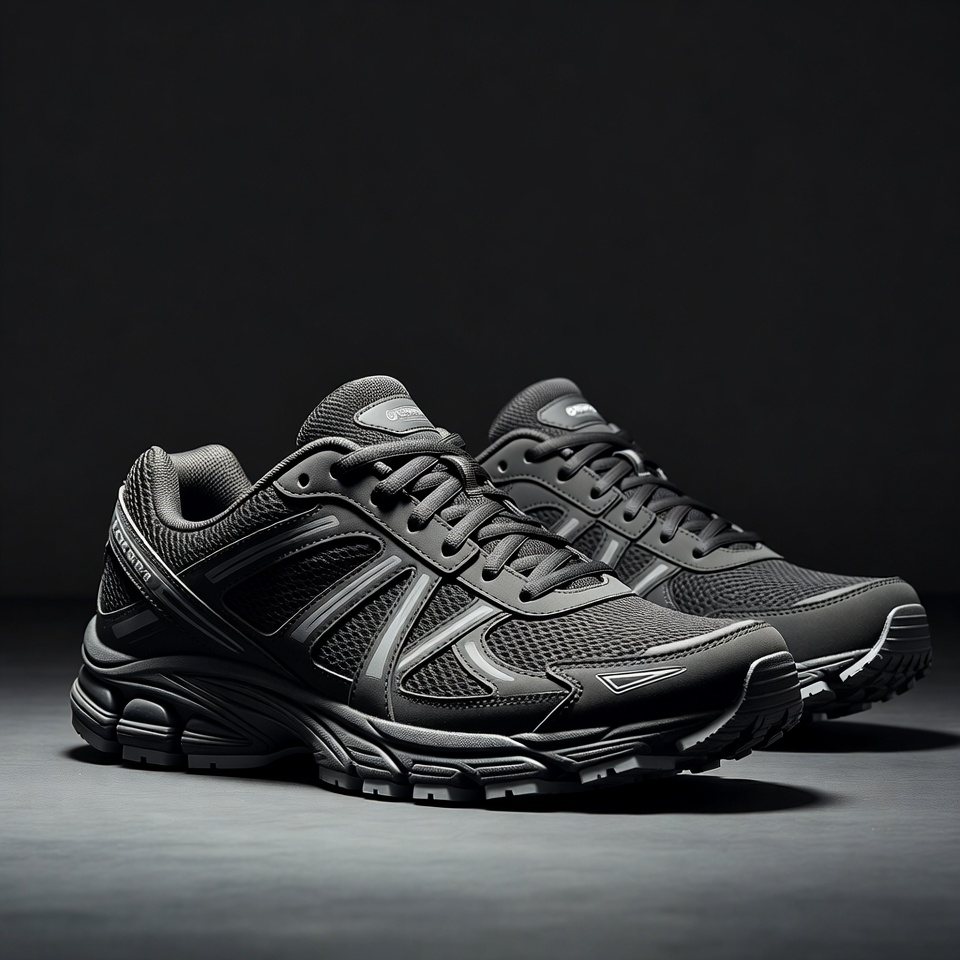
Workout Clothing
Workout clothes should do three things: wick moisture, not chafe, and fit comfortably. You don't need a $90 Lululemon top. You need synthetic fabric that doesn't hold sweat.
Key Principles
- Synthetic fabrics (polyester, nylon) over cotton. Cotton absorbs sweat, gets heavy, and causes chafing. Moisture-wicking synthetics keep you dry.
- Compression or fitted base layers reduce chafing on inner thighs and underarms — common problem areas for larger bodies.
- Flat seams prevent rubbing during repetitive movements. Look for "seamless" construction.
- Anti-chafe balm on high-friction areas (inner thighs, nipples, underarms) is a game-changer for runners and walkers.
Men's Athletic Shorts (Liner)
Running shorts with built-in compression liner to prevent chafing. Moisture-wicking, zip pocket for keys.…
Shop on Amazon →Women's High-Waist Workout Leggings
High-waisted, squat-proof leggings with phone pocket. Moisture-wicking fabric, four-way stretch, no…
Shop on Amazon →Moisture-Wicking T-Shirts (3-Pack)
Multi-pack athletic tees made from moisture-wicking polyester. Quick-dry, odor-resistant, under $10 per…
Shop on Amazon →Anti-Chafe Body Balm
Apply to inner thighs, underarms, feet, and anywhere skin rubs. Prevents blisters and irritation during long…
View product →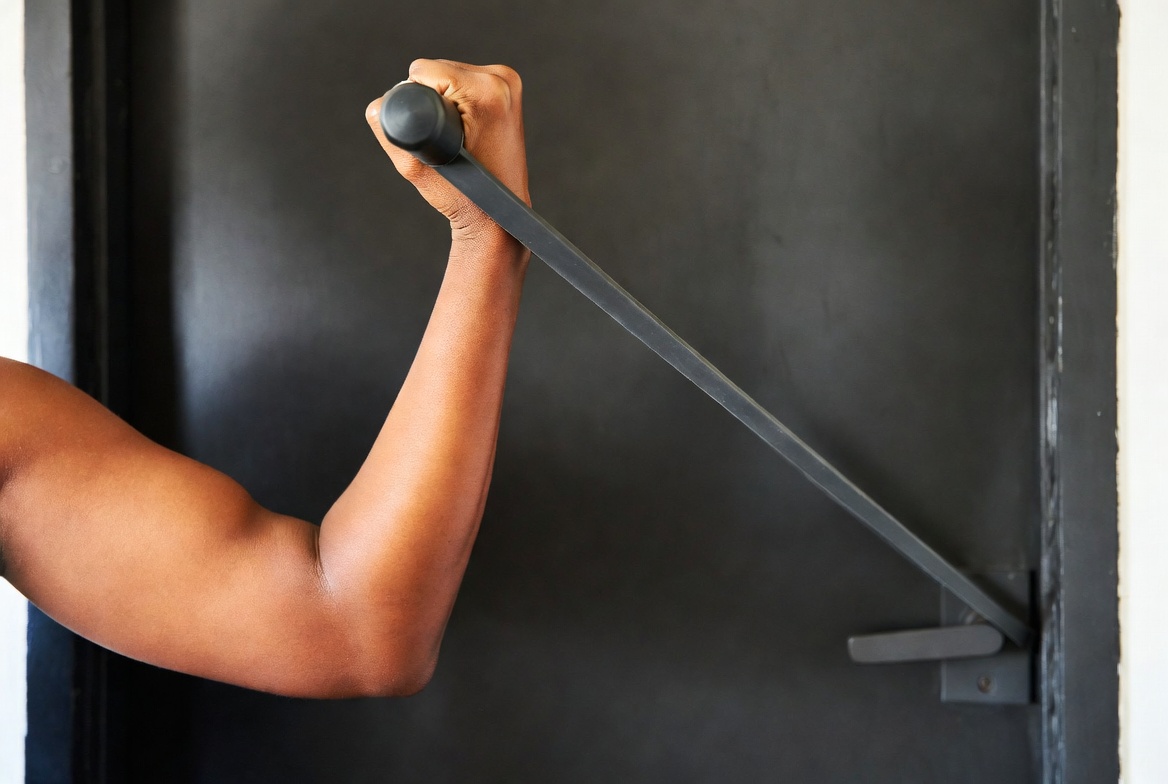
Home Gym Essentials
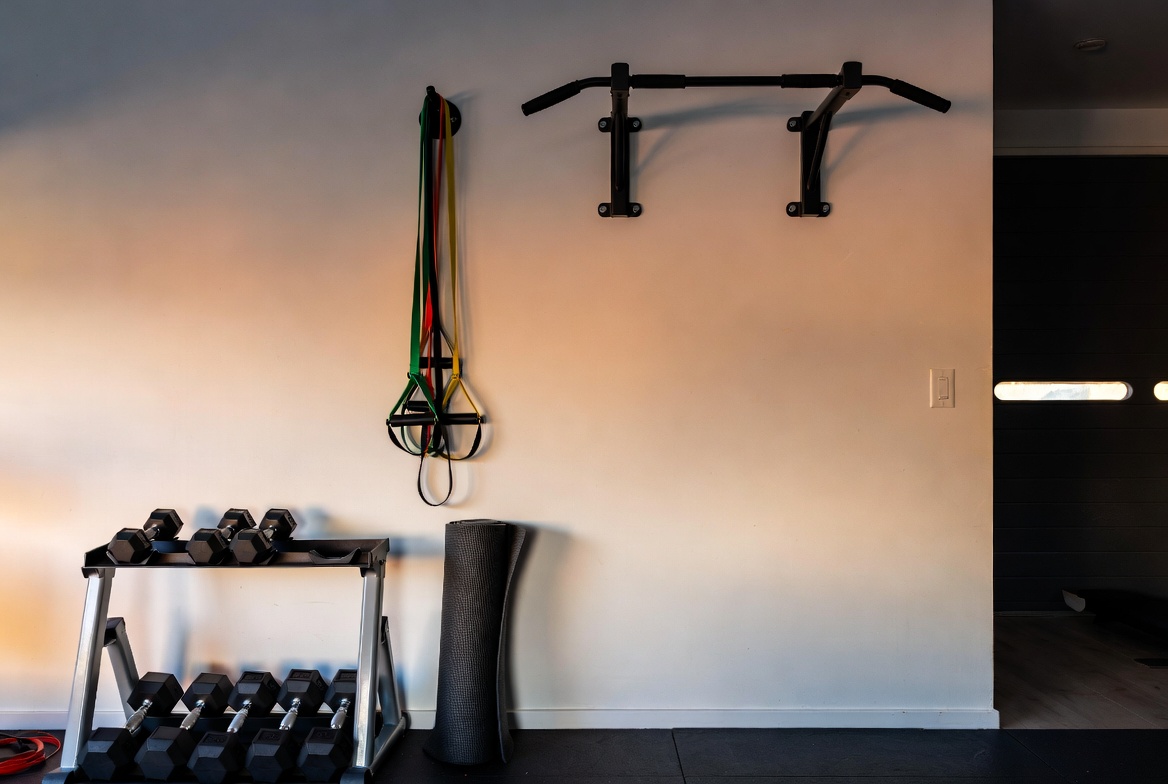
A home gym doesn't require a garage or a $5,000 setup. For under $150, you can equip a corner of your living room with everything needed for a complete strength and cardio program.
Tier 1: The $50 Starter Set
Adjustable Dumbbells (Pair)
One pair replaces a full dumbbell rack. Adjust weight in 5-lb increments. The single most versatile piece of…
View product →Yoga/Exercise Mat
1/2-inch thick, non-slip mat for floor exercises, stretching, and HIIT. Protects knees and elbows on hard…
View product →Tier 2: The $100 Upgrade
Kettlebell (20-35 lb)
One kettlebell, infinite exercises: swings, goblet squats, Turkish get-ups, rows, presses. The kettlebell…
View product →Pull-Up Bar (Doorframe)
Multi-grip doorframe pull-up bar. Wide grip, narrow grip, neutral grip. Also perfect for hanging leg raises…
View product →Tier 3: The Full Home Gym (~$300+)
Adjustable Bench
Folding adjustable bench for dumbbell press, rows, step-ups, and incline/decline work. Folds flat for…
View product →Resistance Band Set (Heavy)
Heavy-duty band set, up to 150 lb combined. A single light loop is a different listing.
View product →WHATAFIT 5-Band Set
Five tubes at 10, 20, 30, 40, and 50 lb, stackable to 150 lb, with handles, a door anchor, and ankle straps. A single loop is a different listing.
View product →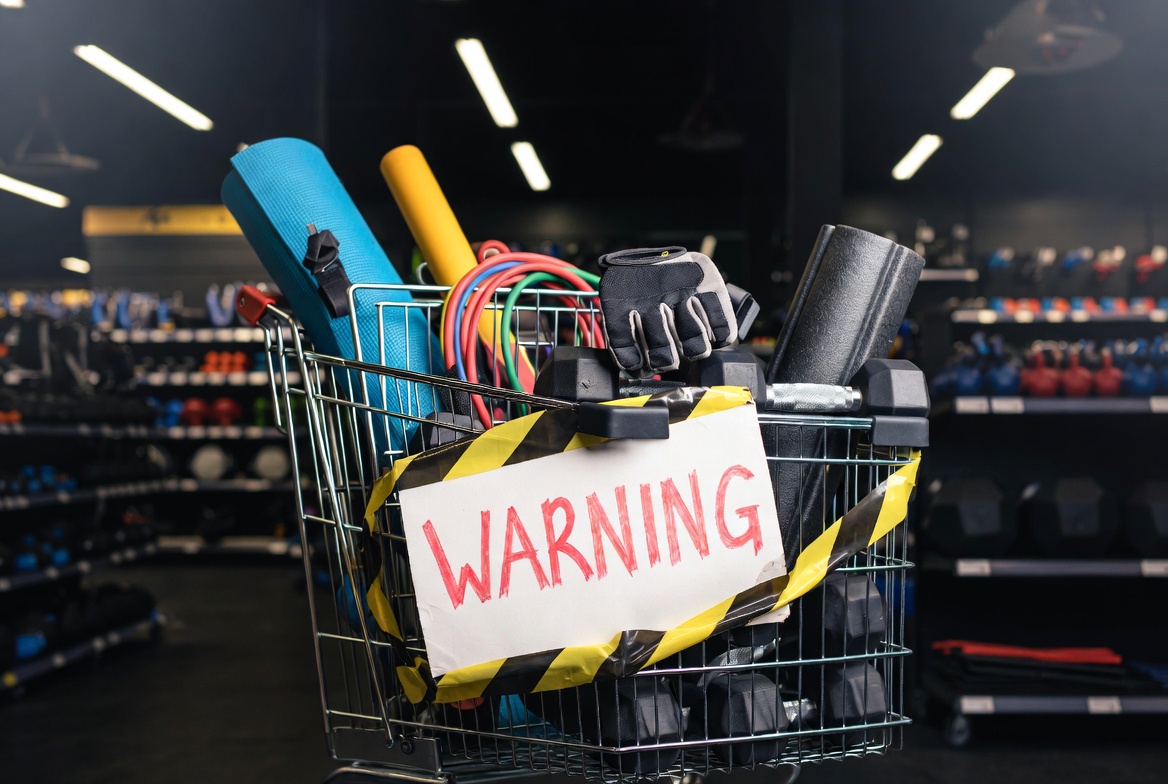
What NOT to Buy
- Ab rollers, shaker weights, waist trimmers. Gimmicks that don't work. Your core gets stronger from compound movements — squats, push-ups, planks.
- A treadmill (usually). Unless you'll genuinely use it daily, it becomes an expensive clothes rack. Walk outside for free.
- Expensive gym clothes from "performance" brands. A $15 polyester shirt wicks moisture identically to an $80 one.
- Weight loss supplements, fat burners, sweat belts. None of these work. Save your money, eat less food.
As an Amazon Associate, I earn from qualifying purchases. Product links on this page are affiliate links — they cost you nothing extra.