Timing Food & Exercise
Total calories still matter most. But when you eat around your workouts can improve performance, recovery, body composition, and how you feel.
⚠️ First Things First
Nutrient timing is a 5% optimization layered on top of the 95% that actually matters: total calorie intake, protein adequacy, sleep, and consistency. If you're not nailing those basics, timing won't save you. Start with the math first.
The Three Goals
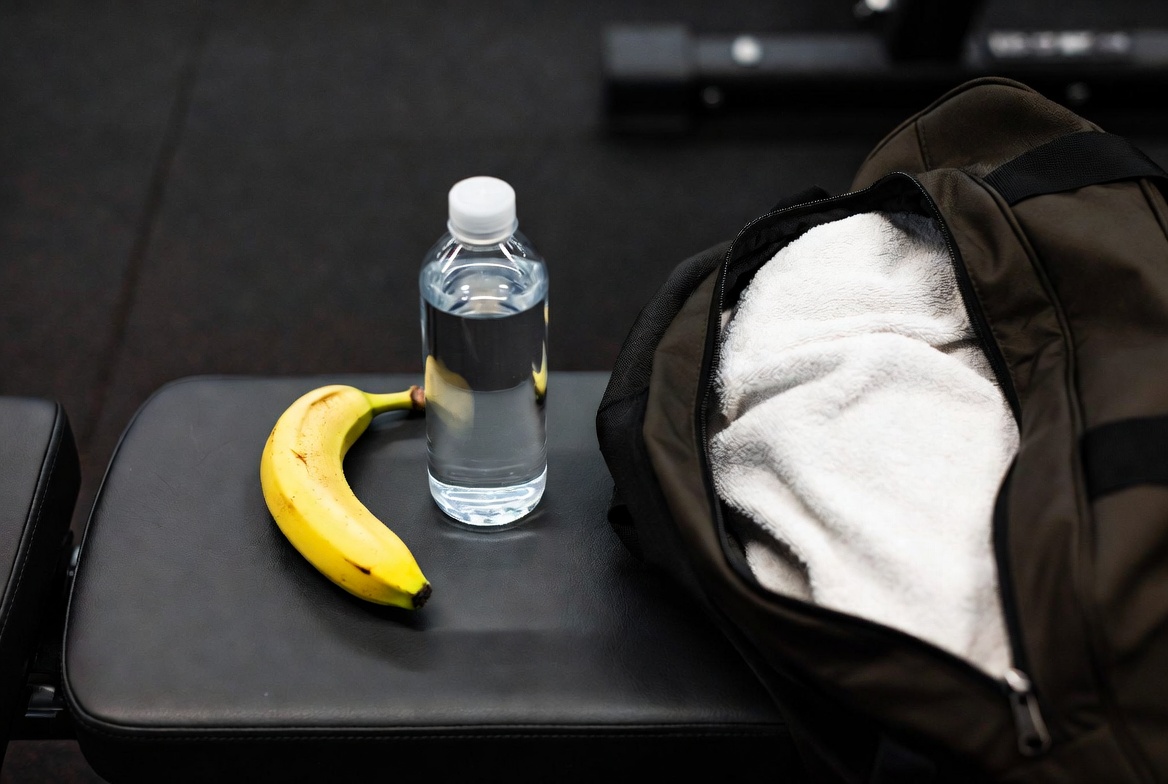
Your timing strategy depends on your primary goal. They overlap, but the emphasis shifts:
Fat Loss
Maximize fat oxidation during and after exercise
Strength
Fuel performance and support recovery
Definition
Preserve muscle while cutting body fat
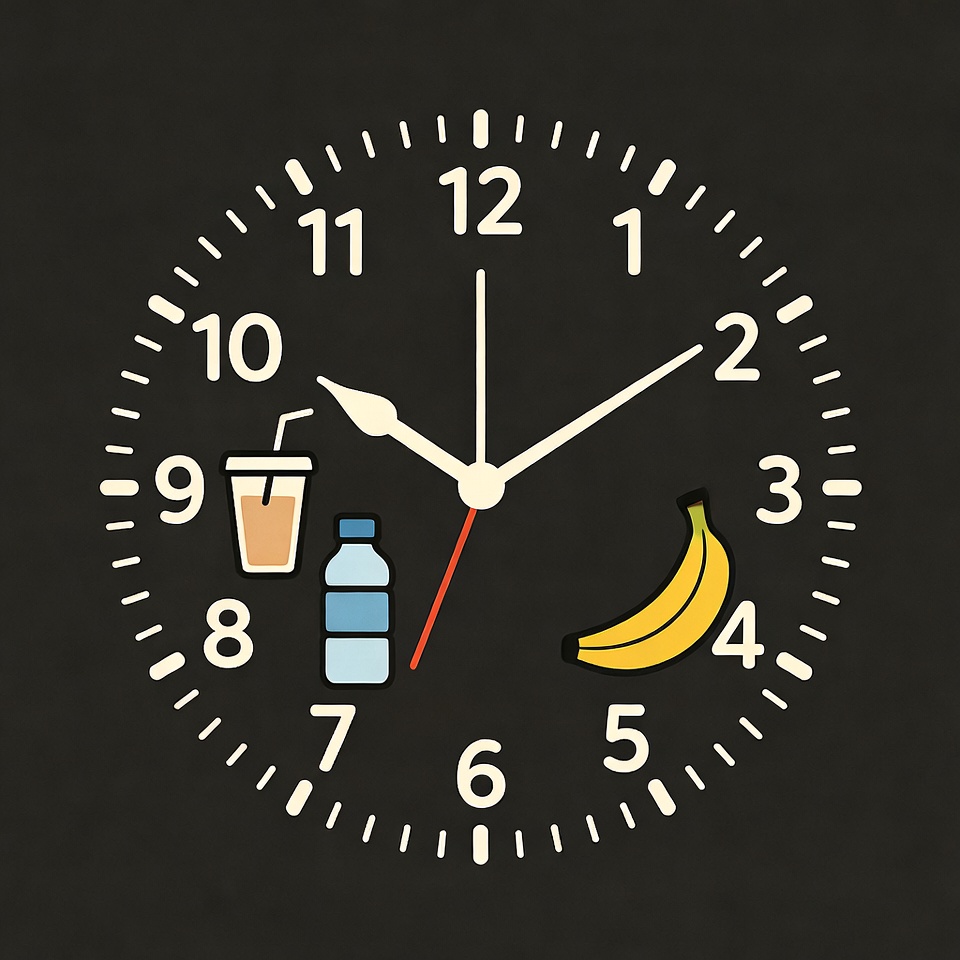
Pre-Workout: What to Eat Before
2-3 Hours Before
A balanced meal — protein, carbs, moderate fat. This is your fuel deposit. The food is mostly digested by workout time, glycogen stores are topped off, and amino acids are circulating. Examples:
- Chicken breast + rice + vegetables
- Oatmeal + Greek yogurt + berries
- Turkey sandwich on whole grain bread
30-60 Minutes Before
Small, easily digestible, carb-dominant snack. You want energy without a full stomach. Skip high-fat and high-fiber — they slow digestion and can cause discomfort mid-workout.
- Banana
- Rice cake with honey
- Small handful of dried fruit
- Half a sports energy bar
💡 The Coffee Advantage
Caffeine (200-400mg, roughly 1-2 cups of coffee) 30-60 minutes before exercise increases fat oxidation, improves endurance, and reduces perceived effort. It's the most researched legal performance enhancer in existence. Black coffee has zero calories.
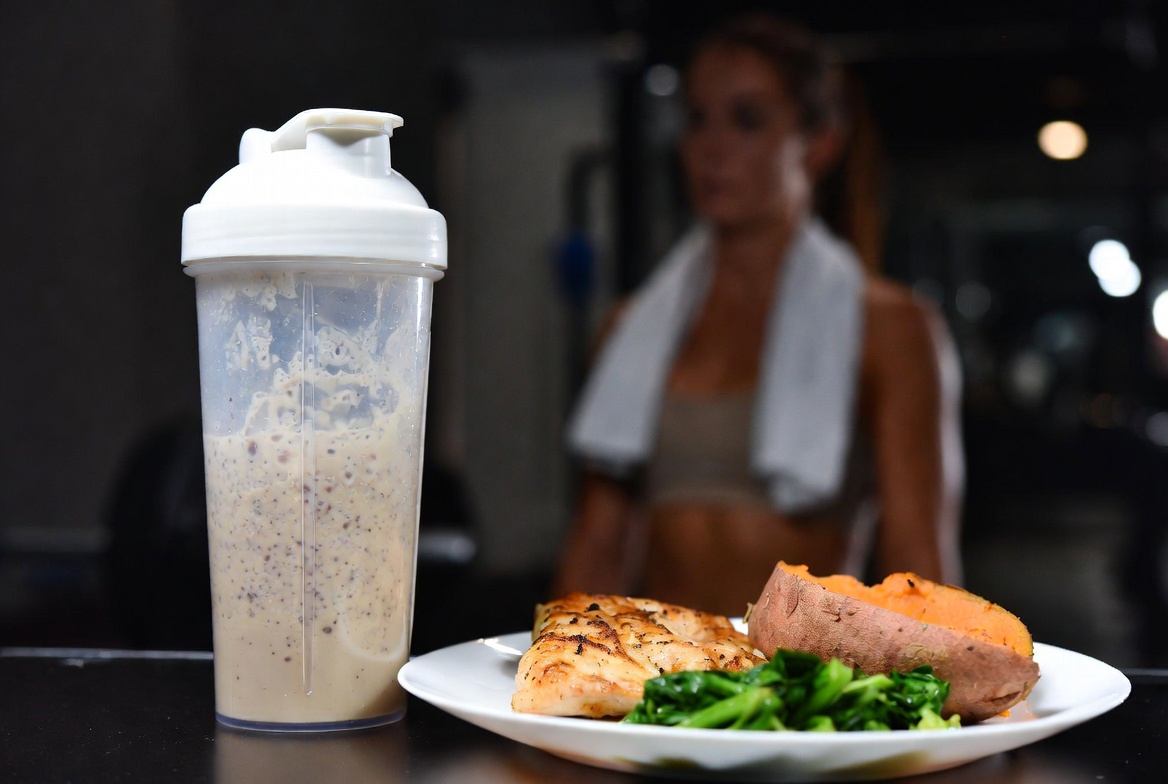
Fasted Training: Fat Loss Accelerator?
Training on an empty stomach (typically morning, before breakfast) forces your body to use stored fat for fuel. The research is mixed but leans favorable for fat loss — if you can maintain the same workout intensity.
| Fasted Training | Pros | Cons |
|---|---|---|
| Low-Moderate Intensity | Higher fat oxidation, convenient morning routine, no digestion issues | May feel sluggish initially, adaptation period needed |
| High Intensity (HIIT) | Some research shows increased EPOC | Reduced power output, higher perceived effort, muscle breakdown risk |
| Strength Training | May enhance growth hormone response | Lower performance, poor for heavy lifting, requires experience |
Bottom line: Fasted walking or light cardio is an effective fat loss tool. Fasted heavy lifting or HIIT is usually counterproductive — you can't push as hard, so total calorie burn drops. Pick your battles.
Post-Workout: The Recovery Window
The "anabolic window" — the idea that you must eat within 30 minutes of training or lose all your gains — has been significantly overstated. The actual science:
- The window is wider than you think. Muscle protein synthesis stays elevated for 24-48 hours after resistance training. You don't need to chug a shake in the locker room.
- Pre-workout meal matters. If you ate 2-3 hours before training, those amino acids are still circulating. The urgency drops dramatically.
- Fasted training changes this. If you trained with nothing in your system, eating within 1-2 hours post-workout becomes more important.
Post-Workout Priorities
🥩 Protein (Priority #1)
Target: 25-40g within a few hours of training
- Stimulates muscle protein synthesis
- Prevents muscle breakdown
- Whey protein is fastest-absorbing
- Whole food works equally well if timing isn't tight
🍚 Carbs (Priority #2)
Target: 0.5-1g per kg bodyweight
- Replenishes glycogen stores
- Matters most if training again within 24 hours
- Less critical for fat loss — skip carbs if cutting aggressively
- Rice, fruit, potatoes are ideal sources
Timing by Goal
| Goal | Pre-Workout | Post-Workout | Key Strategy |
|---|---|---|---|
| Weight Loss | Optional — fasted cardio is fine | Protein-focused meal, moderate carbs | Stay in calorie deficit. Timing won't override surplus. |
| Muscle Building | Balanced meal 2-3h before, carb snack 30min before | Protein + carbs within 2 hours | Never train fully fasted. Protein every 3-4 hours. |
| Body Definition | Protein-heavy, moderate carbs | High protein, earned carbs around training only | Carb cycling — more carbs on training days, fewer on rest days. |
| Endurance | High carbs 2-3h before, small snack 30min before | Carbs + protein within 1 hour (glycogen critical) | Fuel the work. Carbs are non-negotiable for long efforts. |
Daily Meal Timing Template
If you work out in the morning (6-7am):
- 5:30am — Coffee + banana (optional — skip for fasted training)
- 6:00am — Training
- 7:30am — Breakfast: eggs + toast + fruit (your biggest carb meal)
- 12:00pm — Lunch: protein + vegetables + moderate carbs
- 6:00pm — Dinner: protein + vegetables, lower carbs
If you work out in the evening (5-6pm):
- 7:00am — Breakfast: eggs + fruit, moderate carbs
- 12:00pm — Lunch: protein + rice/pasta + vegetables (pre-fuel)
- 4:30pm — Snack: banana or rice cake
- 5:00pm — Training
- 7:00pm — Dinner: protein + carbs (earned post-workout meal)
🌙 Protein Before Bed
A slow-digesting protein source (casein protein, cottage cheese, or Greek yogurt) before sleep feeds muscle protein synthesis overnight. 20-30g is sufficient. This is one timing strategy with extremely consistent research support.
What Actually Matters (In Order)
- Total daily calories. Surplus = gain weight. Deficit = lose weight. Timing cannot override this.
- Total daily protein. 0.7-1g per pound of body weight distributed across 3-5 meals.
- Workout consistency. The best timing strategy is useless if you skip sessions.
- Sleep. 7-9 hours. Growth hormone, recovery, appetite hormones — all depend on sleep.
- Nutrient timing. The 5% optimization this entire page is about.
Get items 1-4 right and you'll achieve 95% of your results. Then — and only then — does timing your food around workouts provide a meaningful edge.
Products
Isopure Unflavored, 1 lb
Unflavored whey isolate, 1 lb, about $34. 25 g protein per serving. A 3 lb bag is a different listing.
View product →Meal Prep Containers
Glass meal prep containers with compartments. Prep 4-5 days of post-workout meals on Sunday. Eliminates the 'I'll just grab fast food' decision after training.
Shop on Amazon →Protein Shaker Bottle
Leak-proof shaker bottle with blender ball. Throw in a scoop of protein and water before you head to the gym. Shake after your last set. Simple.
Shop on Amazon →Kitchen Food Scale
Digital food scale for accurate portion tracking. If you're timing nutrients around workouts, you need to know how much you're actually eating. Guessing doesn't work.
Shop on Amazon →As an Amazon Associate, I earn from qualifying purchases. Product links on this page are affiliate links — they cost you nothing extra.