Resisting the First Temptation
The skill that separates people who lose weight from people who don't — learning to say "not right now" to the first unnecessary eating urge.
What Nobody Tells You
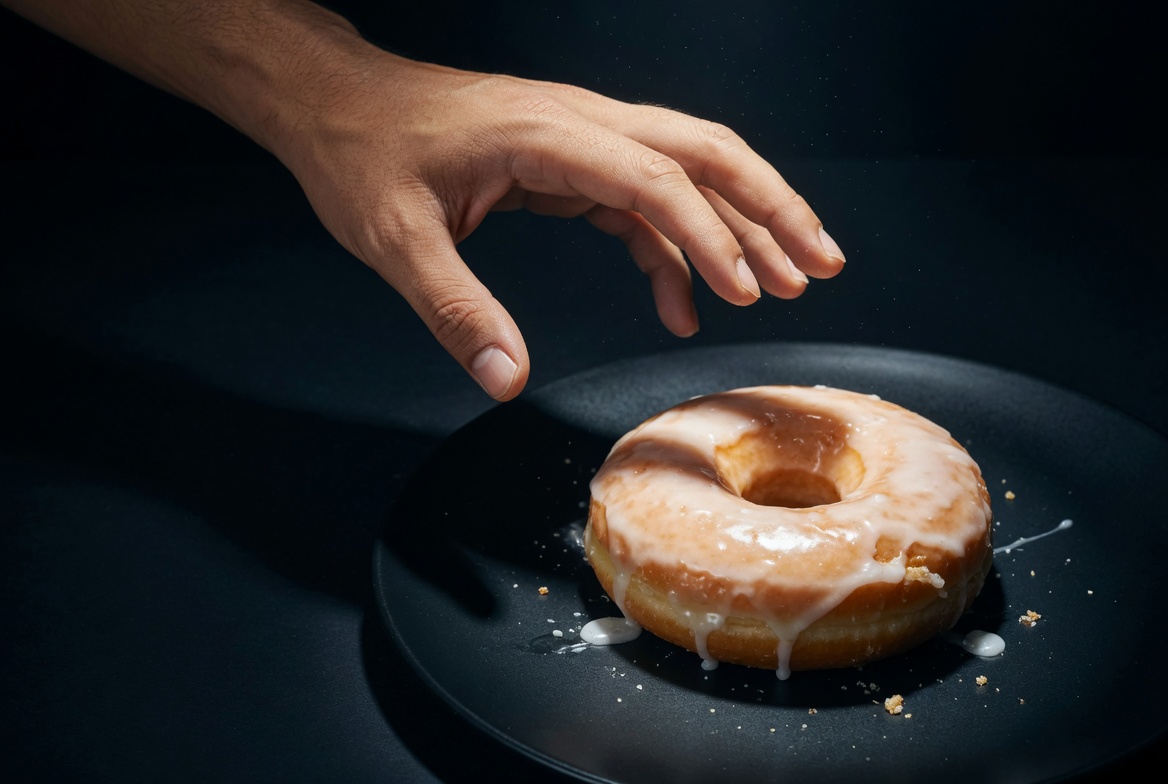
Here's something many people don't realize: the first urge to eat is almost never real hunger. It's a habit. A trigger. A boredom response. An emotional reaction. Your body has adapted to expect food at certain times, in certain situations, and in response to certain feelings — and it sends you a signal that feels like hunger but isn't.
Think about it — when was the last time you ate because your body physically needed fuel vs. because you were bored, stressed, or it was "time to eat"? For most people, genuine physical hunger accounts for less than half of their eating occasions. The rest is autopilot.
💡 The 20-Minute Rule
When you feel the urge to eat, wait 20 minutes. Drink a glass of water. Go for a walk. Do literally anything else. In the majority of cases, the urge will pass completely. That "hunger" was your brain running an old script — not your body needing fuel.
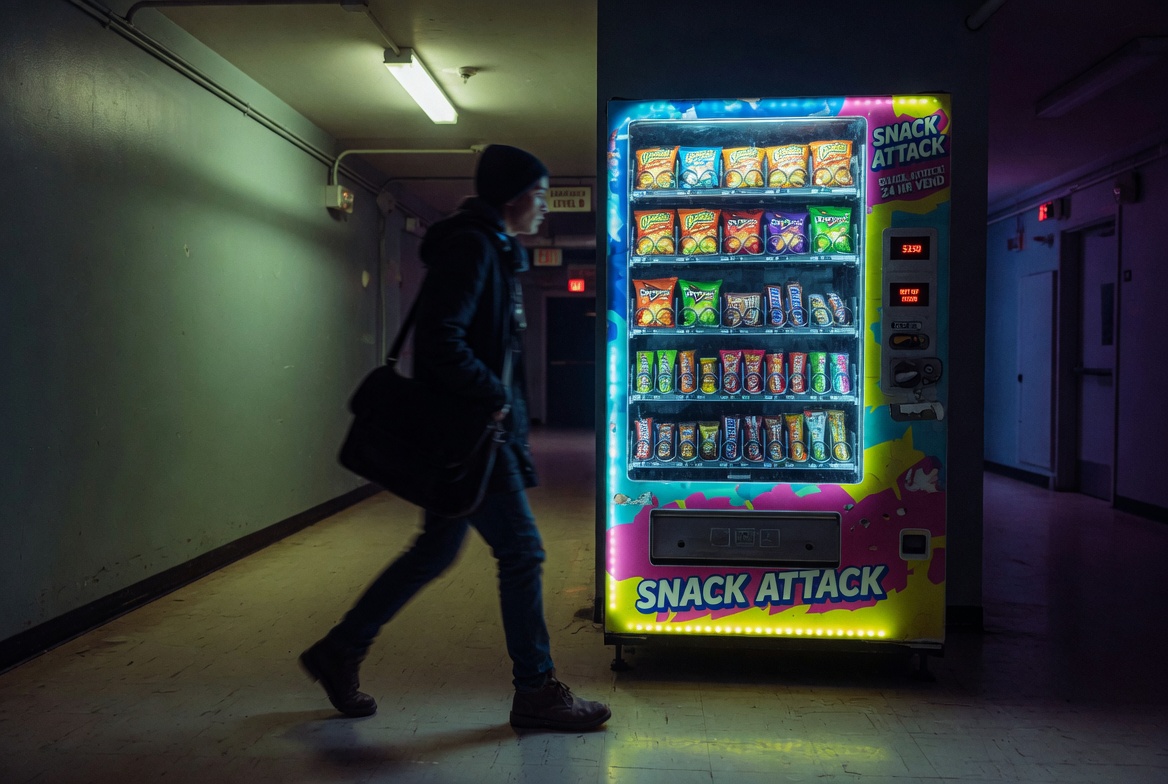
The Anatomy of a Food Impulse
Understanding the timeline of a craving is the first step to defeating it. Most impulses follow a predictable wave pattern:
The Craving Wave
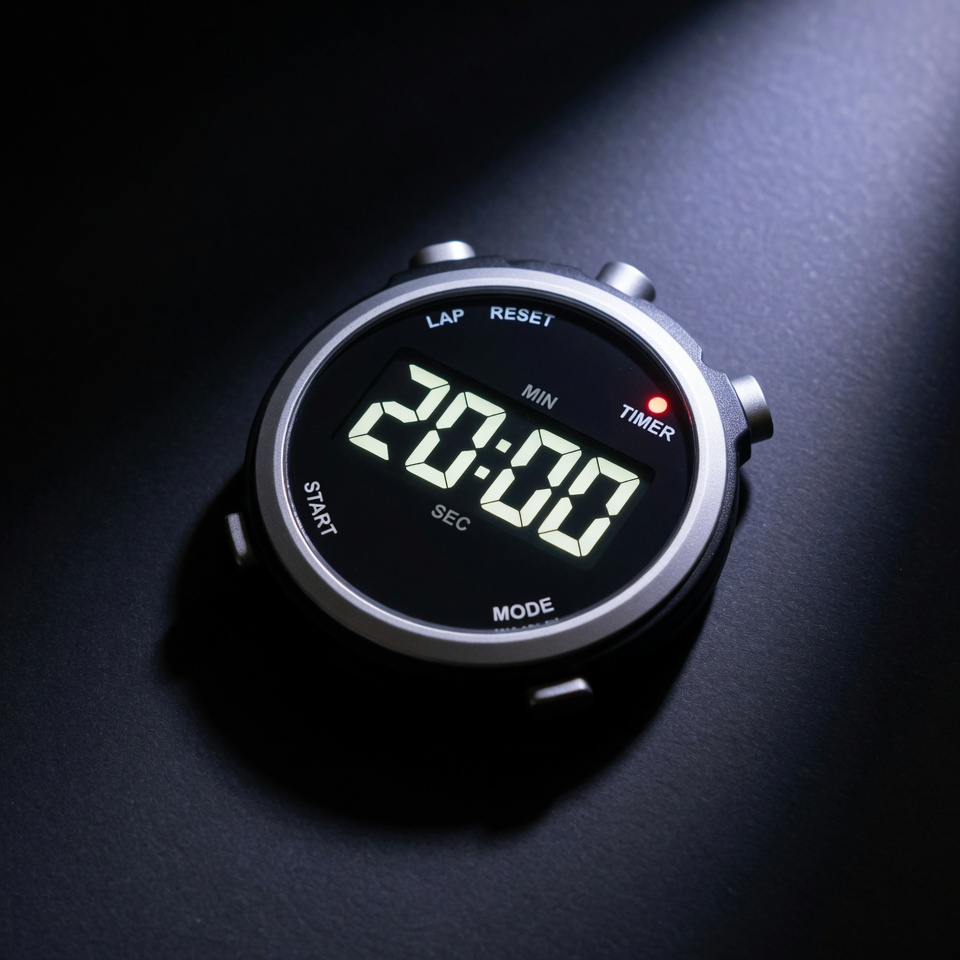
Most cravings peak within 5 minutes and fully dissipate by 20 minutes. Ride the wave.
How to Build the Resistance Muscle
Resisting food impulses is a skill, not a personality trait. Like any skill, it strengthens with practice. Here's the training program:
- Acknowledge the urge without acting on it. Say to yourself: "I notice I want to eat right now." Don't judge it. Don't fight it. Just observe it. This creates space between stimulus and response — the critical gap where change happens.
- Ask: "Am I hungry, or am I something else?" Bored? Stressed? Tired? Procrastinating? Eating is the easiest dopamine hit available, and your brain knows it. Identify the real need and address it directly.
- Delay, don't deny. Tell yourself "I can eat in 30 minutes if I still want to." This removes the panic of restriction while giving the craving time to dissolve. Most of the time, you'll forget about it entirely.
- Remove the trigger. If you snack every time you watch TV, change the pattern. If you eat when you walk through the kitchen, change your route. Environment design is more powerful than willpower.
- Track your wins. Every time you successfully ride out a craving, write it down. After a week, you'll have a track record of proof that you can do this — and that evidence is more motivating than any motivational quote.
Resistance Gets Easier Over Time
Approximate craving resistance success rate with consistent practice
The Neuroscience of Impulse Eating
When you see or smell food — or even think about it — your brain releases a small burst of dopamine. This isn't the pleasure of eating; it's the anticipation of pleasure. It's your brain saying "that thing over there might feel good." This anticipatory dopamine is what drives the urge.
The critical insight: the dopamine spike happens before you eat, not after. The actual eating often doesn't deliver the satisfaction your brain promised. That's why you can eat an entire bag of chips and still feel unsatisfied — the anticipation was the high point, and consumption couldn't match it.
Every time you resist an impulse, you weaken that neural pathway. Every time you give in, you strengthen it. You are literally rewiring your brain with each decision. After 4-6 weeks of consistent resistance, the old pathways atrophy and the cravings lose most of their intensity.
🎯 The Environment Audit
Walk through your home right now. How many snacks are visible? On the counter? On your desk? In the car? Each visible food item is a trigger. Put them in opaque containers in cabinets. Out of sight = fewer dopamine spikes = fewer battles to fight. Make the healthy stuff visible instead.
Practical Strategies for the First Week
- Keep a craving journal. Every time you feel like eating outside of planned meals, note the time, what triggered it, and what you did instead. After a week, patterns will emerge.
- Pre-commit to your eating schedule. Decide the night before when you will and won't eat tomorrow. Write it down. When a craving hits, you don't need to decide — you already did.
- Use the "5-4-3-2-1" grounding technique during a craving: identify 5 things you can see, 4 you can touch, 3 you can hear, 2 you can smell, 1 you can taste. This interrupts the craving loop.
- Brush your teeth. Seriously. Nothing tastes good after toothpaste, and it sends a physiological "done eating" signal to your brain.
- Drink sparkling water. The carbonation creates a stomach sensation that mimics fullness. Add a squeeze of lemon for flavor.
The goal isn't to white-knuckle your way through life. It's to retrain your brain so that impulse eating stops being your default response. Every time you successfully resist an unnecessary eating urge, you're building a new neural pathway. It gets easier. Dramatically easier.
Tools That Help
CIVAGO 64 oz Glass Bottle
Black glass half-gallon, about $21, with time markers on the side. A 32 oz or 40 oz bottle is a different listing.
View product →Atomic Habits by James Clear
The definitive book on building good habits and breaking bad ones. The craving-cue-response framework directly applies to impulse eating.
Shop on Amazon →Habit Tracking Journal
Track your craving resistance wins daily. Seeing your streak builds motivation and reinforces the new neural pathways.
Shop on Amazon →Sparkling Water Maker
Carbonated water creates a stomach sensation that mimics fullness. Having a maker at home means unlimited craving-fighting ammo.
Shop on Amazon →As an Amazon Associate, I earn from qualifying purchases. Product links on this page are affiliate links — they cost you nothing extra.