Reading Your Real Hunger Cues
Most people eat by the clock, by habit, or by emotion — almost never because their body actually needs fuel. It's time to recalibrate.
The Lost Skill of Reading Hunger

Modern humans have almost completely lost the ability to distinguish real hunger from psychological hunger. We eat by the clock, by social obligation, and by emotional impulse — almost never because our body actually needs fuel.
This disconnect is the root cause of overeating. Your body has a sophisticated signaling system — hormones like ghrelin (hunger) and leptin (satiety) — designed to regulate intake perfectly. But years of eating on schedule, snacking mindlessly, and consuming hyperpalatable processed food have overwhelmed and desensitized these signals.

Real Hunger vs. Fake Hunger
Learning to tell the difference is perhaps the single most valuable skill in weight management:
✅ Real Hunger
- • Comes on gradually over hours
- • You'd eat anything — even plain chicken and rice
- • Physical sensations: empty stomach, low energy, stomach growling
- • Doesn't go away if you ignore it — it slowly intensifies
- • Satisfied by a reasonable portion
- • You stop eating naturally when full
- • No guilt or regret after eating
❌ Fake Hunger
- • Comes on suddenly
- • You crave something specific (chips, candy, pizza)
- • Triggered by sight, smell, boredom, stress, or emotion
- • Fades if you wait 15–20 minutes
- • Never feels "satisfied" no matter how much you eat
- • Often accompanied by mindless eating (not noticing how much)
- • Frequently followed by guilt or regret
The Hunger Scale (1–10)
Eat at 7. Stop at 8. That's the entire formula.
Recalibrating Your Hunger Thermostat
Your body has a built-in signaling system that tells you when it needs food. But years of overeating have scrambled those signals. Your "hungry" baseline is actually your "used to eating" baseline. Here's how to reset it:
- Practice intentional mild hunger. Let yourself feel genuinely hungry before eating. Not starving — just actually, physically hungry. That slight emptiness in your stomach is not an emergency. It's your body working correctly.
- Rate your hunger on a 1–10 scale before eating. Only eat when you're at a 7 or above. If you're at a 4, wait. You're not hungry — you're habituated.
- Stop eating before you're "full." Aim for 80% — the Japanese call it hara hachi bun me. It takes 20 minutes for satiety signals to reach your brain. If you eat until you feel full, you've already eaten too much.
- Go 14–16 hours without eating once a week. This isn't punishment — it's calibration. Your body relearns what hunger actually feels like, and you realize you don't need to eat as often as you think.
- Eat slowly. Put your fork down between bites. Take at least 20 minutes to finish a meal. This gives leptin time to signal satiety before you overeat.
🎯 Pro Tip: The Water Test
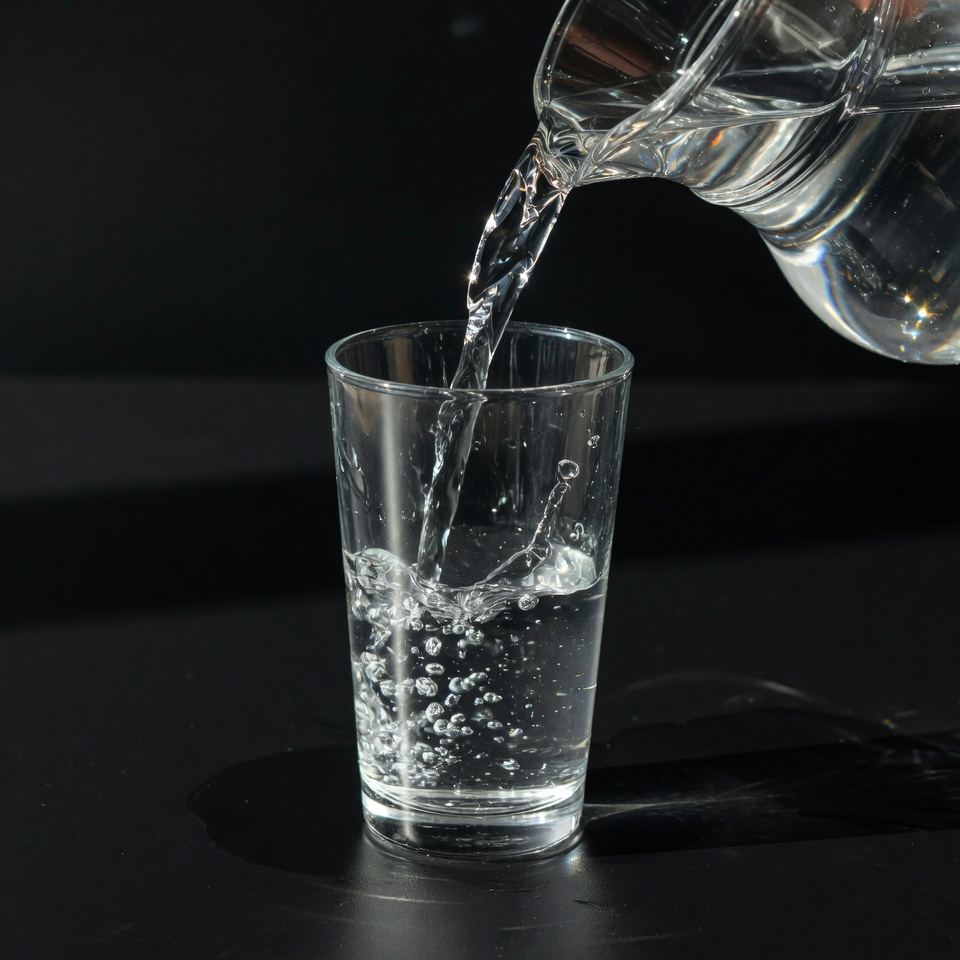
Think you're hungry? Drink 16 oz of water and wait 15 minutes. Dehydration mimics hunger signals. If the "hunger" goes away, you were thirsty — not hungry. Studies suggest that 37% of the time, perceived hunger is actually thirst.

The Hormonal Reality
Two hormones control the hunger-satiety cycle:
- Ghrelin — the "hunger hormone." Released by your stomach when it's empty. Rises before meals and drops after eating. Key insight: ghrelin follows your eating schedule, not your body's actual needs. After 3-4 days of a new schedule, ghrelin adapts.
- Leptin — the "satiety hormone." Released by fat cells to signal "you have enough stored energy." Chronic overeating creates leptin resistance — your brain stops hearing the "full" signal. Weight loss restores sensitivity.
The practical takeaway: your hunger hormones will adapt to whatever schedule you set. If you eat 6 times a day, you'll feel hungry 6 times a day. If you eat twice a day, you'll feel hungry twice. The adaptation takes about 3-5 days of mild discomfort — then it becomes your new normal.
Tools That Help
Greater Goods 22 lb Food Scale
22 lb capacity, 1 g steps, grams. The tool for honest portions.
View product →Portion Control Plates
Plates with built-in sections for protein, vegetables, and carbs. Automatic visual portioning without measuring.
Shop on Amazon →Mindful Eating Journal
Track hunger levels, emotions, and triggers alongside what you eat. The awareness alone changes behavior.
Shop on Amazon →Insulated Water Bottle (32 oz)
Cold water all day. Stay hydrated to avoid confusing thirst with hunger. The water test only works if you have water on hand.
Shop on Amazon →As an Amazon Associate, I earn from qualifying purchases. Product links on this page are affiliate links — they cost you nothing extra.