Food Scales & Portioning Tools
A $10 food scale is the single most impactful purchase you can make for weight loss. It removes guesswork, exposes portion distortion, and makes calorie counting actually accurate.
The Portion Distortion Problem
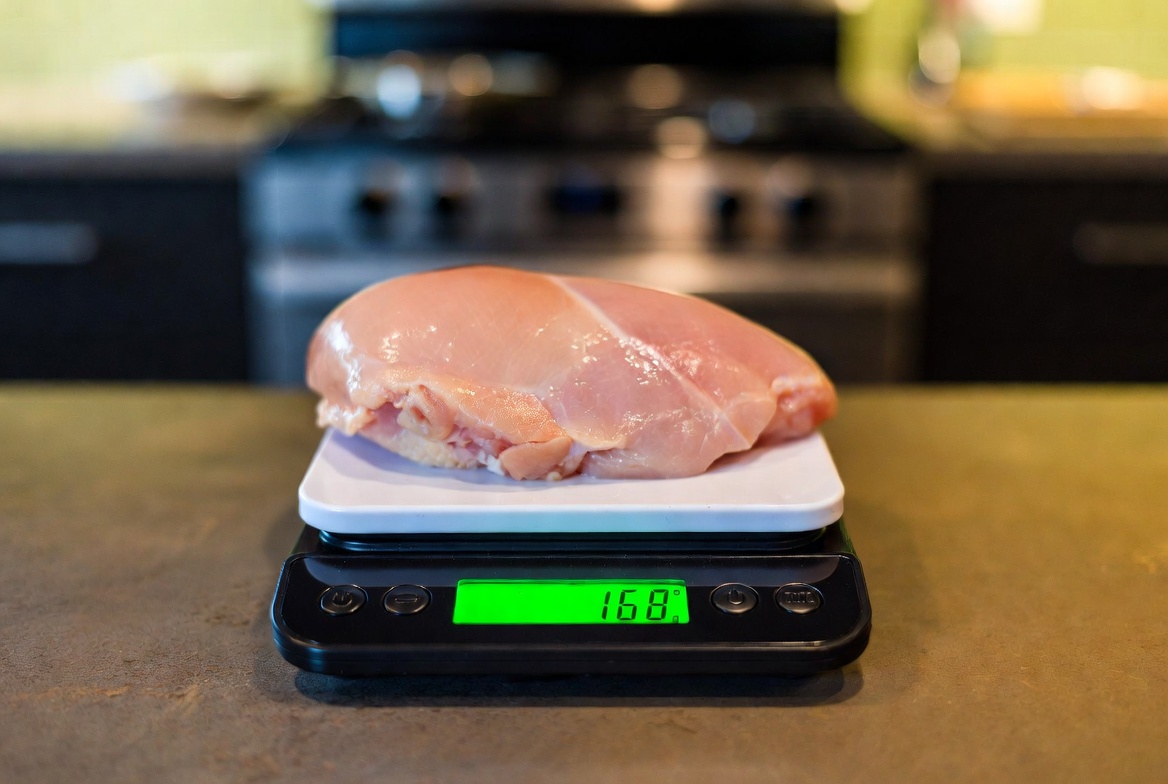
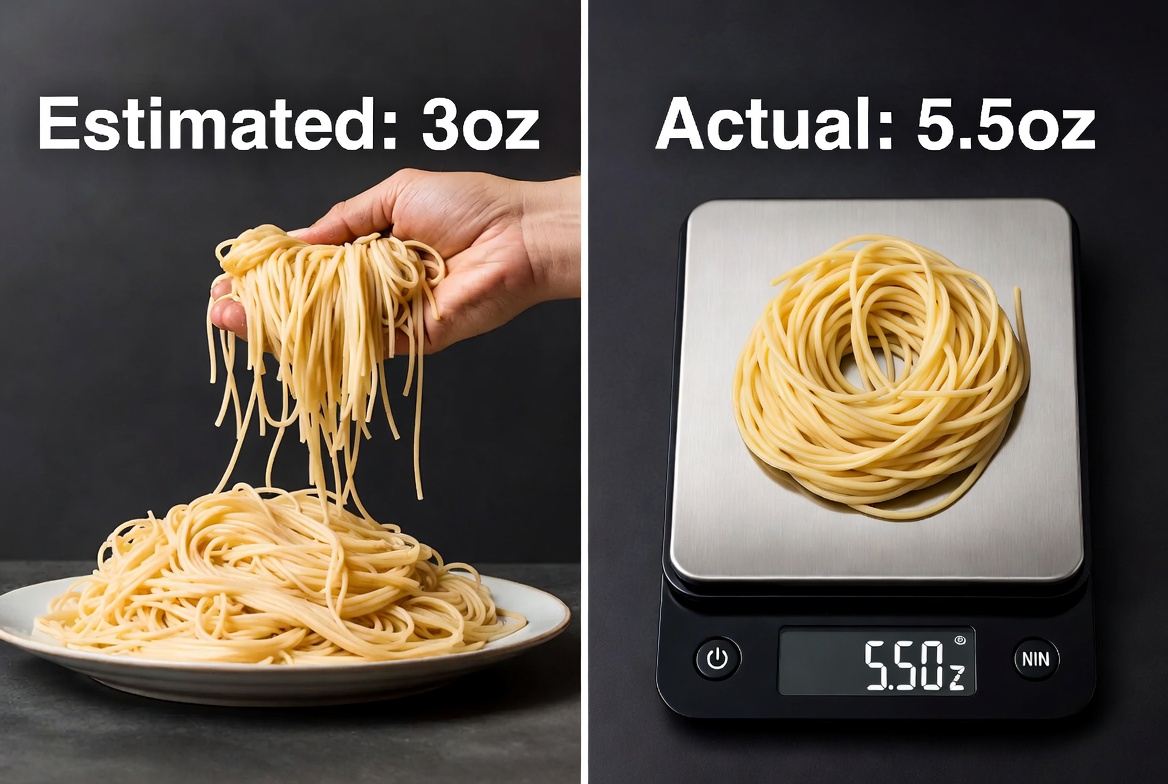
Here's something most people discover: the actual size of a serving is often much smaller than expected. A serving of peanut butter is 2 tablespoons — 190 calories. Most people use 3-4 tablespoons without realizing it — that's 285-380 calories. Multiply this across every meal, every day, and you're looking at 500+ uncounted calories.
Estimated vs. Actual Servings
💡 The $10 Fix
A digital kitchen scale costs $10-15 and eliminates all guesswork. Weigh your peanut butter. Weigh your rice. Weigh your cereal. Most people find the actual amounts quite different from what they expected. This single tool can be the difference between a 500-calorie deficit and accidentally eating at maintenance.
How to Use a Food Scale
- Place your plate or bowl on the scale. Press "tare" (zero). The scale zeroes out the container weight.
- Add your food. The scale shows the weight of just the food.
- Log the grams in your app. Most calorie apps (MyFitnessPal, Cronometer, Lose It) have gram-based entries that are far more accurate than "1 medium chicken breast."
- Use grams, not ounces. Grams are more precise. 100g of chicken breast is always 165 calories. "6 ounces" is subjective — grams aren't.
🎯 The Tare Button Is Your Best Friend
Building a meal? Put the plate on the scale, tare. Add chicken, note the weight, tare. Add rice, note the weight, tare. Add vegetables. You've now measured everything in under 60 seconds without dirtying a single measuring cup.
What to Look For in a Food Scale
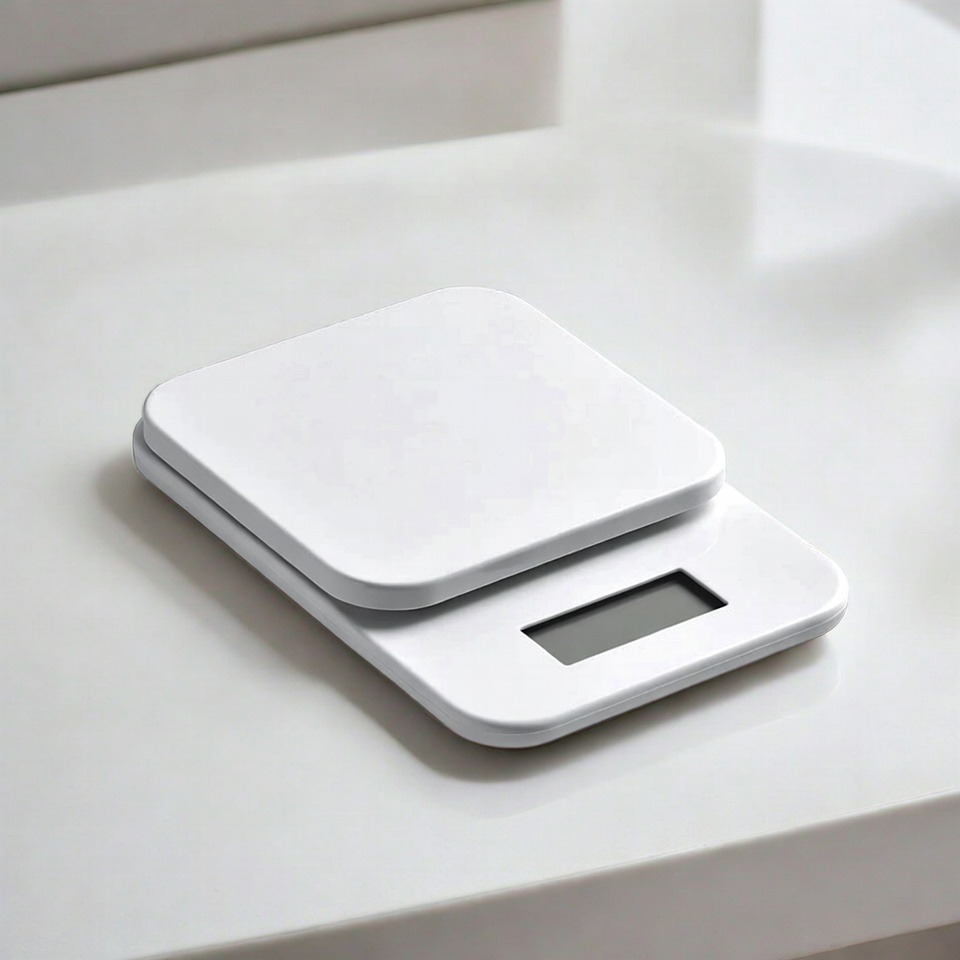
- 1g resolution — Minimum accuracy. 0.1g is useful for spices but not required.
- Tare function — Every decent scale has this. If it doesn't, skip it.
- Max capacity 10+ lbs — You'll want to weigh meal prep containers and full plates.
- Flat, easy-to-clean platform — Stainless steel or tempered glass wipes down quickly.
- Unit switching — g, oz, lb, ml. Grams are what you'll use 95% of the time.
Recommended Food Scales
Greater Goods 22 lb Food Scale
The one most people should buy. 22 lb capacity, 1 g resolution, tare, stainless platform, hi-def LCD.
View product →OXO Good Grips Scale (Pull-Out Display)
The premium pick. Pull-out display so large plates don't cover the numbers. 11 lb capacity. Extremely…
View product →Etekcity Nutritional Scale
Built-in nutritional database that shows calories, protein, fat, and carbs for common foods. Connects to…
View product →Precision Pocket Scale (0.01g)
For weighing cooking oils, butter, spices, and supplements where grams matter. Tiny, portable, and accurate…
View product →Portioning & Meal Prep Tools
Once you know your calorie targets, meal prep makes hitting them automatic. Cook once, portion into containers, and your week is sorted. No daily decisions, no estimating, no impulse eating.
Glass Meal Prep Containers (10-Pack)
Two-compartment glass containers with snap lids. Microwave, oven, and dishwasher safe. See your food through…
View product →Portion Control Plate Set
Plates with printed sections for protein, carbs, and vegetables. Visual portioning without a scale — useful…
Shop on Amazon →Silicone Stretch Lids (12-Pack)
Cover any bowl, pot, or plate. Reduces food waste and makes leftovers easy to store. Works in the microwave.
Shop on Amazon →Measuring Cup & Spoon Set
When you can't use a scale, measuring cups are the next best option. Stainless steel lasts forever and nests…
View product →As an Amazon Associate, I earn from qualifying purchases. Product links on this page are affiliate links — they cost you nothing extra.